

The Duffer Brothers’ latest Netflix project has faltered where their global phenomenon Stranger Things soared, according to critics who have viewed the new scary show Something Very Bad is Going to Happen. Whilst the brothers are merely serving as executive producers on this eight-episode show—created by Haley Z. Boston—rather than directing it directly, the series makes a basic narrative mistake that their blockbuster sci-fi drama sidestepped. The problem doesn’t stem from the premise, which tracks couple Rachel and Nicky as they visit his dysfunctional family for a forest wedding beset by sinister omens, but rather in its narrative pacing and structure, which threatens to lose viewers before the story finds its footing.
A Slow Burn That Tests Your Patience
The pilot installment of Something Very Bad is Going to Happen presents a genuinely unsettling premise. Camila Morrone’s Rachel comes to her fiancé’s family home with mounting dread, underscored by a series of escalating omens: enigmatic alerts inscribed upon her wedding invitation, a strange infant met on the road, and an encounter with a sinister individual in a neighbourhood pub. The pilot manages to build atmosphere and tension, incorporating the familiar unease that accompanies a significant milestone. Yet this initial promise transforms into the series’ fundamental weakness, as the story falters significantly in the subsequent instalments.
Episodes two and three keep covering the same storytelling territory, with Nicky’s eccentric family behaving increasingly erratically whilst various supernatural hints suggest Rachel’s premonitions are justified. The issue develops slowly but becomes undeniable: watching the protagonist endure three hours of gaslighting, bullying, and emotional manipulation from her prospective relatives by marriage grows tiresome remarkably quickly. By the time Episode 4 at last shifts to reveal the curse’s backstory and introduce real pace into the proceedings, a significant portion of the viewers will probably have given up, exasperated with the drawn-out exposition that lacked adequate resolution or character growth to warrant its duration.
- Sluggish pacing undermines the horror atmosphere established in the pilot
- Repetitive family dysfunction scenes lack story development or depth
- Wait of three episodes until the actual plot unfolds is too lengthy
- Viewer retention declines when suspense lacks balance with meaningful story advancement
How The Show Got the Recipe Right
The Duffer Brothers’ standout series demonstrated a brilliant example in pilot construction by hooking viewers immediately with genuine stakes and narrative drive. Stranger Things Season 1 Episode 1 established its central concept with impressive economy: a young boy disappears under mysterious circumstances, his desperate mother and friends begin investigating, and otherworldly occurrences develop naturally from the narrative rather than feeling artificially inserted. The episode balanced mounting tension with character depth and narrative advancement, making sure viewers remained invested because they truly wished to discover what happened next. Every scene fulfilled several functions, propelling the central mystery whilst deepening our connection to the group of characters.
What distinguished Stranger Things from Something Very Bad is Going to Happen was its refusal to delay gratification unnecessarily. Rather than extending one concept across three episodes, the original series moved viewers along with reveals, character beats, and dramatic shifts that justified continued viewing. The supernatural threat felt pressing and concrete rather than theoretical, and the show trusted its audience’s intelligence enough to disclose details at a rhythm that preserved attention. This essential divergence in storytelling philosophy explains why Stranger Things turned into an international hit whilst its conceptual successor struggles to retain attention during its important opening instalments.
The Power of Quick Response
Effective horror and drama require creating clear reasons for audiences to care during the first episode. Stranger Things achieved this by introducing believable protagonists facing an extraordinary situation, then delivering sufficient information to make viewers hungry for answers. The missing boy was far more than a narrative tool; he was a fully realised character whose disappearance genuinely mattered to those searching for him. This emotional investment turned out to be far more valuable than any amount of atmospheric tension or ominous foreshadowing could accomplish alone.
Something Very Bad is Going to Happen supposes that marital stress and familial conflict alone will sustain interest for three full hours before delivering meaningful narrative progression. This strategic error underestimates how swiftly viewers spot formulaic plot devices and tire of seeing leads experience distress without meaningful progression. The Duffer Brothers grasped that pacing isn’t merely about timing; it’s about honouring audience commitment and rewarding attention with genuine narrative advancement.
The Curse of Extending a Narrative Beyond Its Limits
The eight-episode framework of Something Very Bad is Going to Happen presents a core challenge that the Duffer Brothers’ earlier work managed to navigate with substantially more finesse. By allocating three consecutive episodes to establishing domestic turmoil and wedding jitters without substantive narrative advancement, the series makes a cardinal sin of present-day broadcasting: it confuses atmosphere for depth. Viewers are forced to observe Rachel experience constant psychological abuse and manipulation whilst expecting the narrative to truly commence, a tedious proposition that tests even the most forbearing audience viewer’s tolerance for repetitive storytelling beats.
Stranger Things never fell into this trap because it understood that horror and drama flourish with momentum. Each episode offered new details, unforeseen twists, and protagonist disclosures that justified continued investment. The supernatural elements weren’t kept back until Episode 4; they were woven throughout the narrative framework from the very beginning. This approach transformed what could have been a basic missing-person tale into a vast puzzle that enthralled millions. The contrast between these two approaches illustrates how format can either support narrative or strangle it entirely.
| Series | Pacing Strategy |
|---|---|
| Stranger Things (Season 1) | Reveals supernatural threat immediately; introduces mystery elements whilst advancing plot |
| Something Very Bad is Going to Happen | Delays major plot developments until Episode 4; focuses on repetitive family tension |
| Stranger Things (Season 1) | Balances character development with narrative progression across episodes |
| Something Very Bad is Going to Happen | Prioritises atmospheric dread over substantive storytelling advancement |
When Format Creates Difficulties
The eight-episode structure, once a broadcasting norm, increasingly feels incompatible with modern viewing patterns and audience expectations. Something Very Bad is Going to Happen seems to have been stretched to fit its format rather than grown organically around it. The result is excessive narrative padding where strong ideas turn repetitive and engaging premises become tedious. What could have worked as a compact four-episode limited series instead transforms into an endurance test, with viewers compelled to wade through repetitive sequences of familial conflict before arriving at the actual story.
Stranger Things succeeded partly because its creators understood that pacing goes beyond mere timing—it demonstrates respect for the audience’s intelligence and attention. The show trusted viewers to handle intricate narratives and mystery without requiring repeated reassurance through repetitive plot points. Something Very Bad is Going to Happen, conversely, seems to misjudge its viewers’ patience, assuming that three hours of gaslighting and foreboding alerts constitute sufficient entertainment value. This miscalculation represents a key lesson in how format should support content, never the reverse.
Positive Aspects and Squandered Chances
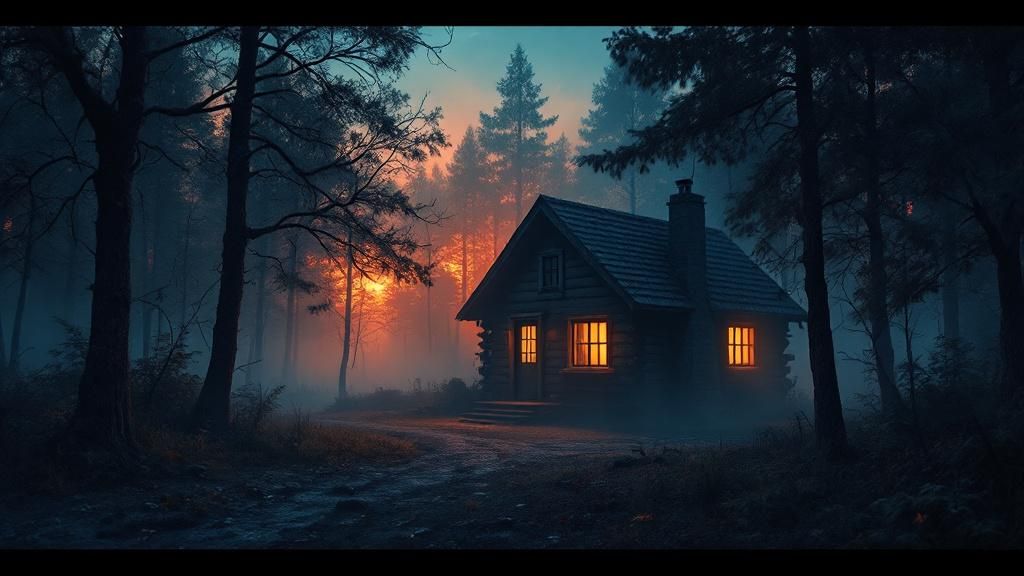
Despite its narrative stumbles, Something Very Bad is Going to Happen does possess genuine qualities that stop it becoming entirely dismissible. The visual presentation is authentically disconcerting, with the isolated cabin serving as an markedly confining setting that heightens the escalating unease. Camila Morrone offers a layered portrayal as Rachel, conveying the quiet desperation of a woman increasingly isolated by those nearest to her. The ensemble actors, especially in their roles as portrayers of Nicky’s charmingly unstable family members, delivers darkly comic vitality to scenes that might otherwise feel overwrought. These elements imply the Duffers recognised compelling source material when they took on the role as executive producers.
The fundamental shortcoming is that Something Very Bad is Going to Happen had all the elements for something truly exceptional. The premise—a bride uncovering her groom’s family harbours sinister mysteries—offers fertile ground for investigating questions about trust, belonging, and the horror lurking beneath suburban normalcy. Had the creative team believed in their spectators sooner, exposing the curse’s origins by Episode 2 rather than Episode 4, the series would have been able to weave together character development with authentic narrative momentum. Instead, it squanders significant goodwill by emphasising recycled suspense over genuine storytelling, leaving viewers dissatisfied by unrealised promise.
- Striking aesthetic presentation and evocative visual atmosphere throughout the isolated cabin environment
- Camila Morrone’s engaging portrayal anchors the story effectively
- Intriguing premise undermined by sluggish pacing and delayed plot revelations
